Give
The Beirut Field Brief

Engage the 22 Nations of the Middle East With Confidence.

Three hundred ninety-three unreached peoples. One strategy that is bearing fruit. The scope, the strategy, and the prayer points behind a 22-nation work — read straight from Beirut.

Written by Matthew Hattabaugh · Beirut, Lebanon

From the Director

The Field Looks Different Than You Have Been Told

Thank you for asking for this brief. You could have closed the tab, and you did not. That small decision places you in a narrow company of believers who still want the facts about the Middle East before they form an opinion or commit their giving. I do not take that lightly.

I write to you from Beirut, where the Lord has stationed my wife Julie and me to train indigenous Christian leaders for the Arabic-speaking world. What follows is not a fundraising letter dressed in ministry language. It is a working brief: what the field actually looks like, what strategy actually works, who God is actually raising up, and where a praying partner in the United States or anywhere else fits into the plan the Lord is unfolding across this region.

Read it. Share it with one person. Pray through what you read. Then decide whether the Holy Spirit is drawing you into something specific.

22 Nations in the Middle East
393 Unreached People Groups in MENA
500M People Across the 22 MENA Nations
68% Of Regional People Groups Classified Unreached
The Scope

What We Actually Face

The Middle East and North Africa form the spiritual heartland of Islam and the geographic center of the 10/40 Window. Understanding the field is the first act of stewardship.

Map of the Middle East and North Africa showing the 22 nations Go Middle East serves

The Joshua Project classifies a people group as unreached when less than two percent of the population identifies as evangelical Christian and less than five percent adheres to any form of Christianity. The Middle East and North Africa hold 578 distinct people groups, and 393 of them meet that definition of unreached. Those groups have no self-sustaining indigenous community of believers capable of evangelizing their own people without outside help.

These are not remote tribes isolated by geography. They are Lebanese, Iraqi, Egyptian, Saudi, Algerian, Yemeni, Moroccan, and Jordanian. They are urban professionals and university students, marketplace leaders and rural farmers. They are connected to satellite television, the internet, and social media. What they lack is not information. They lack access to a credible, culturally fluent witness for Jesus Christ inside their own language and inside their own relational networks.

For a deeper explanation of what the term "unreached" actually means and why this concentration matters, see What Are Unreached People Groups — and Why the Middle East Demands Our Attention.

"The harvest is plentiful, but the workers are few; therefore beseech the Lord of the harvest to send out workers into His harvest."

Matthew 9:37–38 (NASB)
Our Strategy

Train the Indigenous Leader

The Middle East will not be reached by importing Western missionaries. It will be reached by national believers discipled by national pastors, sent out from regional training centers, carrying a Gospel expressed in their own tongues and confirmed by their own lives.

Every serious discipler in the New Testament understood that the mission belongs to the local church. The Apostle Paul did not plant churches so he could remain their pastor. He planted them, entrusted them to faithful men, and moved on. He wrote to Timothy, "The things which you have heard from me in the presence of many witnesses, entrust these to faithful men who will be able to teach others also" (2 Timothy 2:2). That single verse describes four generations of leaders in one sentence. Paul, Timothy, the faithful men, and the others they would teach. Multiplication, not accumulation, is the apostolic method.

At Go Middle East we have built a ministry training center in Beirut that carries out that strategy across the Arabic-speaking world. National pastors and church planters come to the center, receive rigorous biblical and practical training, and return to their home cities and nations to plant churches, lead outreaches, and train the next generation of leaders under them. The work is indigenous, led by national believers, and already in motion.

Read more in Why Leadership Development Is the Key to Church Planting in the Middle East.

National pastors and church planters in the Go Middle East ministry training center in Beirut
"Jesus did not build a platform. He built leaders. The Son of Man did not come to be served, but to serve, and to give His life a ransom for many." Mark 10:45 · Read Not So Among You
Three Stories

This Is What the Strategy Looks Like

Principles are easy to preach. People prove the method. Here are three of them.

Roy, a trained leader in the Go Middle East ministry training center in Beirut

Roy — Built to Last

When Roy first joined GoChurch and enrolled in the ministry training center, he was passionate but searching. Within months his hunger for Scripture and his humility under correction began to produce something substantive. He served in hidden places before he led in visible ones. Today Roy helps direct our outreach and discipleship program in Beirut, ministering to others with the same care that was invested in him.

He is a living illustration of the cedars of Lebanon that Scripture draws on as a picture of righteousness and strength. One trained national leader, rooted in the Word, reproducing himself in the next generation — this is the entire ministry in miniature.

Read Roy's full story

Elia — From Baghdad to Beirut

Elia Chmeis was born into a Muslim family in the Bekaa Valley. He studied hotel management in Baghdad and returned to Lebanon searching for something beyond what he had known. His cousins introduced him to GoChurch Beirut. In March of 2023 he received a physical healing in one of our services that he could not explain on any other terms than the living presence of Jesus Christ. He prayed to receive the Lord that same week.

Today Elia is a full-time staff member at GoChurch. A young man who came in from the far edge of Islam is now inside the training center helping to reach the next man who stands where he once stood. That is the difference an indigenous leader makes.

Read Elia's full story
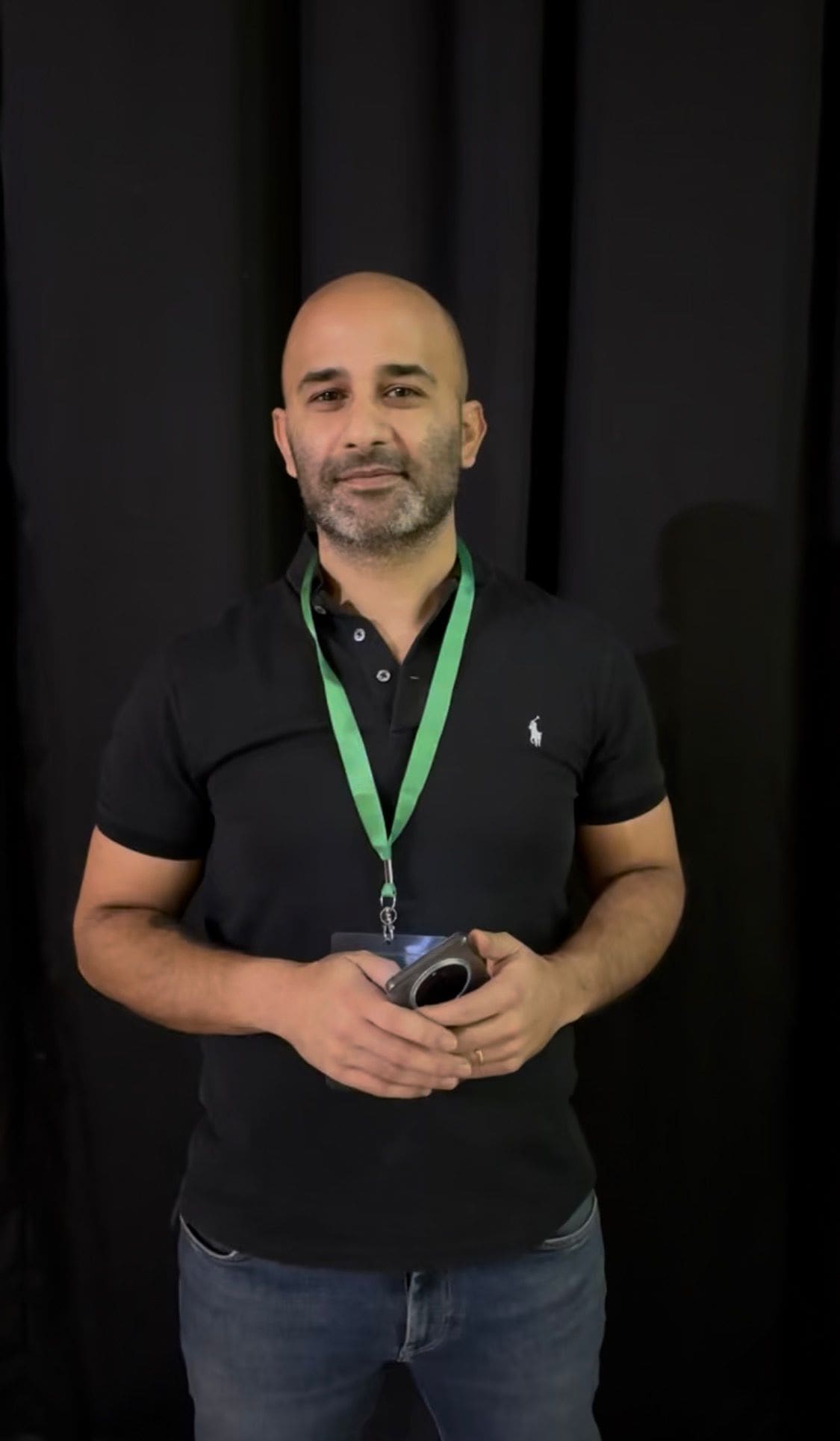
Elia Chmeis, a Muslim-background believer now serving full-time with GoChurch Beirut
Pastors Elie and Nisreen at the CityGate Church Gospel outreach in the Bekaa Valley

Elie and Nisreen — CityGate Church

Pastors Elie and Nisreen lead CityGate Church, located approximately ten kilometers from the Syrian border. On the very day the United States Embassy in Lebanon issued a security advisory urging Americans to reconsider travel, Elie and Nisreen led a Gospel outreach that gathered more than five hundred people. The outreach was organized and executed entirely by leaders trained at our ministry center in Beirut.

That is what multiplication actually looks like. The training center in Beirut sends a leader to the Bekaa Valley. The Bekaa leader trains a team. The team runs the outreach. The outreach touches five hundred souls. One center. Many streams. The Kingdom advances through indigenous hands.

Read the CityGate story
The Vision

Five Hundred Strong

We intend to see five hundred trained national Christian workers placed in every one of the 22 nations of the Middle East and North Africa.

The Apostle Paul wrote that the risen Christ appeared to more than five hundred brothers at one time, most of whom were still alive when Paul put the words to parchment (1 Corinthians 15:6). Five hundred living witnesses. Five hundred men who had seen the Lord with their own eyes and could speak to what they had seen. The number is not arbitrary in Scripture, and it is not arbitrary in our strategy.

Five hundred trained, sent, supported national workers distributed across the Middle East and North Africa would place a reproducing indigenous witness inside every one of the 22 MENA nations. That is the target. It is concrete. It is measurable. It is achievable inside a generation if the Lord continues to supply workers and if partners in the West continue to supply the means.

We are already training and sending. The question is no longer whether the vision is biblical. The question is whether enough partners will join the labor to see it finished.

Go Middle East expansion map showing ministry reach across the 22 nations of MENA
"After that He appeared to more than five hundred brothers at one time, most of whom remain until now." 1 Corinthians 15:6 · Read the full vision in 500 Strong
How You Join

Three Doorways Into the Work

Every partner gives what they have. The Lord multiplies it. Here are the three pathways that move the strategy forward most directly.

Become a Monthly Partner

A recurring monthly gift supplies the single most important resource the ministry has: predictable fuel for training, outreach, and church planting. Monthly partners receive quarterly field reports written from Beirut so you can pray the work by name.

Partner Monthly

Stand in Prayer

Spiritual work requires spiritual supply. Our prayer partners receive a short, focused list of current needs every month — specific leaders, specific outreaches, specific regions — so your prayer is as precise as the work itself. The ministry will not move forward without this company.

Join Prayer Partners

Send a Worker

If the Lord is stirring you or someone in your church toward long-term service in the Arabic-speaking world, we would like to hear from you. We host, train, and place Christian workers alongside our indigenous leaders in Beirut and across the region. Your sending church becomes part of the apostolic chain.

Start the Conversation
Believers in prayer at a Go Middle East gathering in Beirut

The work in Lebanon is hard. The economy is broken. The region is unstable. The spiritual opposition is real. None of that has stopped the Lord, and none of it has stopped the men and women He is raising up across the Arabic-speaking world. What the work needs is not more brochures and not more promises. It needs ordinary believers in the West who will decide to stand with ordinary believers in the Middle East until the job is finished.

If this brief has stirred you, take the next step now, while the stirring is fresh. The window of opportunity in this region is open today. It will not remain open indefinitely.

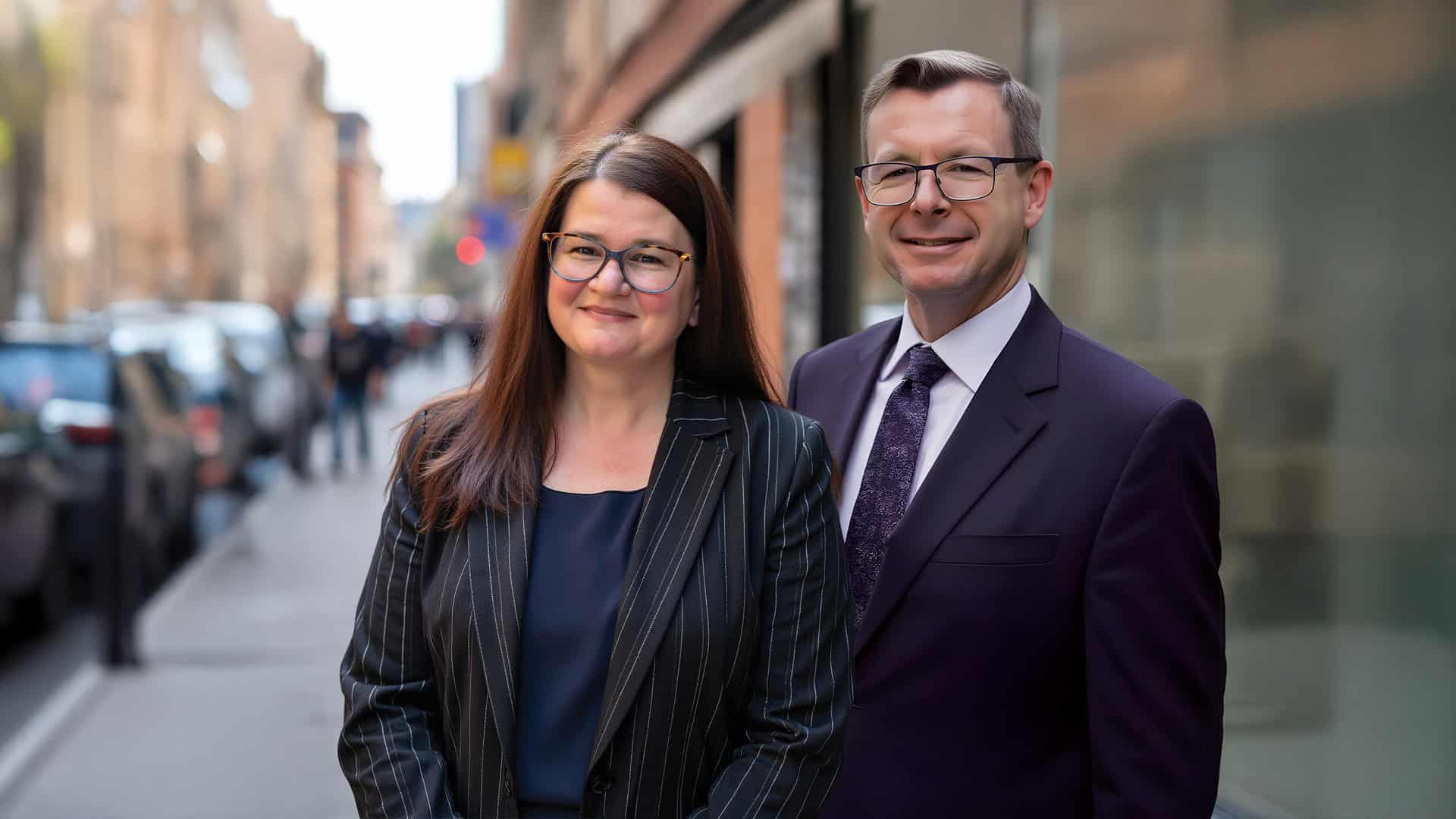
Matthew and Julie Hattabaugh, directors of Go Middle East, serving from Beirut, Lebanon

A Word from Our Family to Yours

Julie and I thank you for reading to the end. You have walked through the field with us. You have met Roy, Elia, Pastors Elie and Nisreen. You have seen the strategy. You have weighed the scope. You know the vision.

Whatever step the Lord leads you to take next — whether giving, praying, sending, or simply sharing this brief with one other believer — do it with the confidence that you are standing inside something the Lord Himself authored. Jesus said the harvest is plentiful. He said it is the Father who sends the workers. He has sent us here, and He is sending others. Perhaps this brief is part of the sending He is doing in your life.

The Middle East is not forgotten. The Lord has not turned away. The Gospel is advancing through national hands, inside Middle Eastern homes, in the languages of the region. Stand with us, and stand with them. Together we will see the Kingdom come in this region in our generation.

Grace and peace to you from Beirut.

Until all have heard, Matt and Julie Hattabaugh

Go Middle East, Inc.

A United States 501(c)(3) nonprofit  ·  Serving from Beirut, Lebanon and Broken Arrow, Oklahoma  ·  go-me.org

© 2026 Go Middle East, Inc. All rights reserved.